Adaptation and mitigation, from community-scale to household-scale.
🎯 Two different jobs: mitigation and adaptation
🔧 Mitigation
Reducing the cause by cutting the emissions that drive climate change. Renewable energy, driving less or driving electric, more efficient buildings.
🛡️ Adaptation
Reducing the effects by making people and property less vulnerable to change that's already happening. Flood defences, resilient crops, heat-resilient buildings.
⚖️ These aren't alternatives. Mitigation without adaptation leaves communities exposed to warming that's already locked in. Adaptation without mitigation means risks keep growing faster than defences can keep up. Both are needed together.
🔋 Mitigation: is progress actually happening?
Yes, though not fast enough to have stabilised the problem yet.
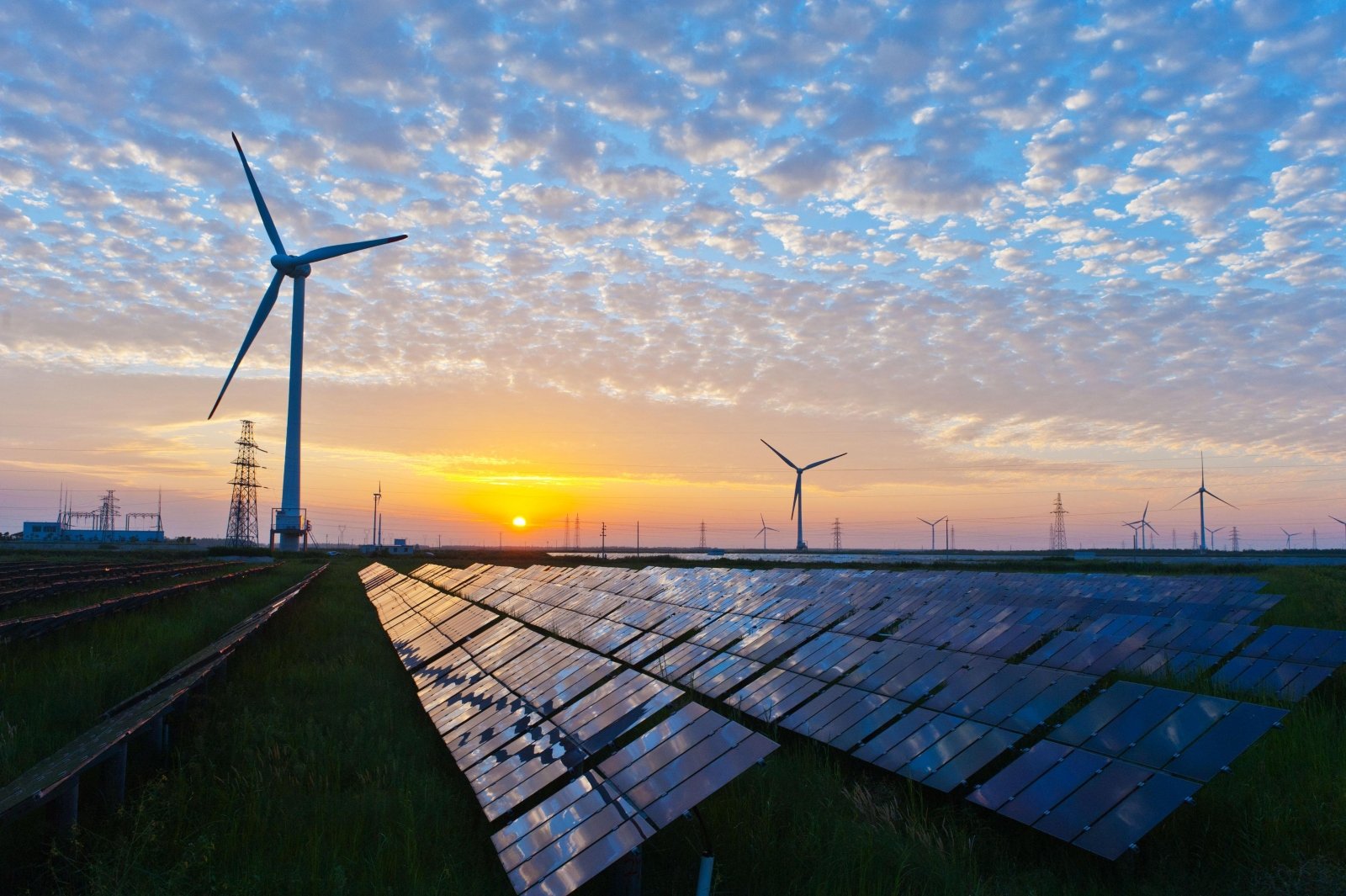
Solar power alone has grown rapidly: from around 1% of global electricity in 2015, to roughly 3% in 2020, and almost 9% in 2025. If its rapid growth continues, its share could rise substantially again by 2030, with solar expected to become the world's largest source of renewable electricity, overtaking hydropower.
All renewables combined, including solar, wind, hydro and others, passed a third of global electricity supply (33%) for the first time in 2025.
🇬🇧 In the UK
UK greenhouse gas emissions have fallen 54% since 1990 (2025 provisional figures, published 2 April 2026, the most current DESNZ release at time of writing). What's left is concentrated in a few sectors, a reminder that clean electricity alone doesn't solve the whole problem.
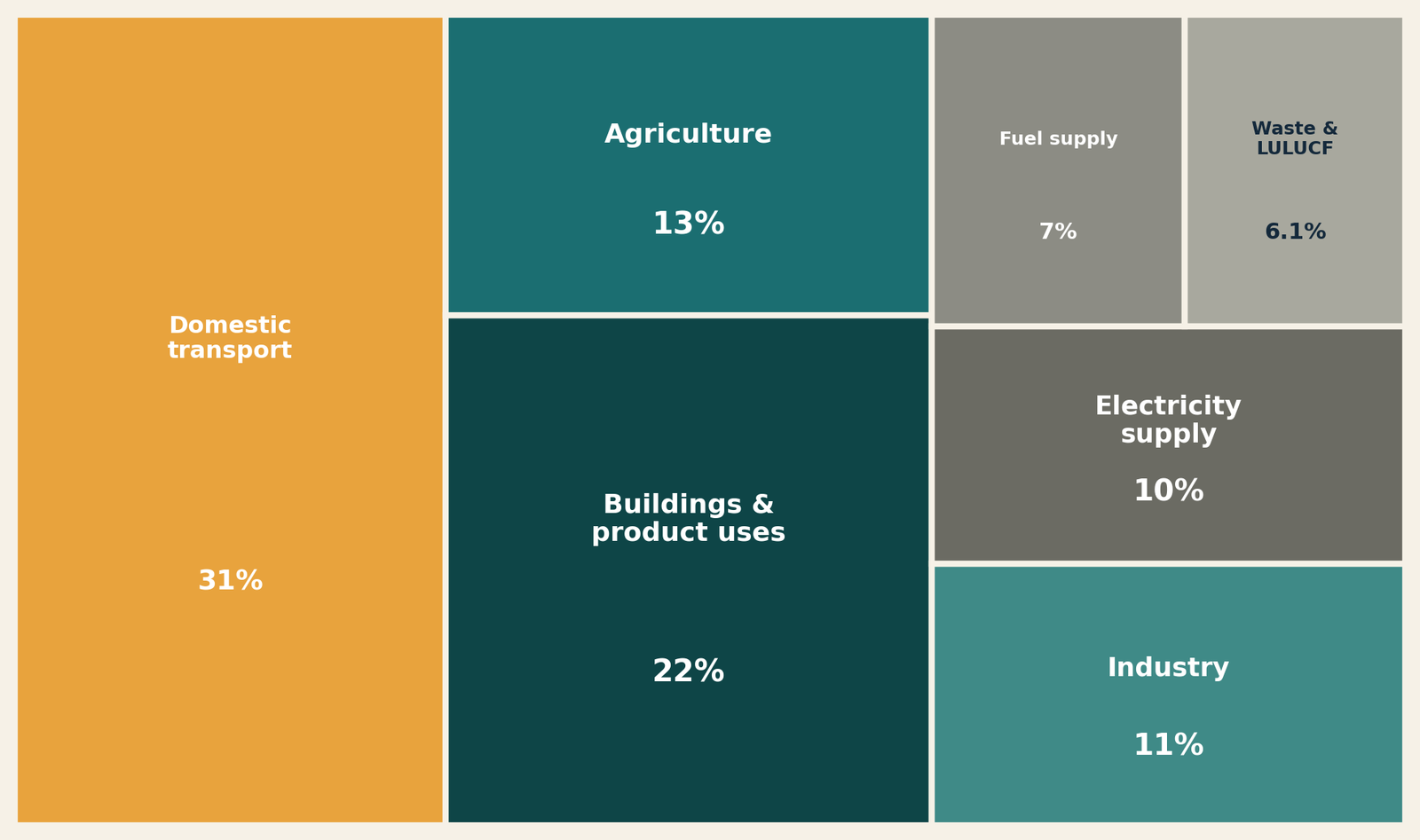
📊 Share of UK territorial greenhouse gas emissions by sector, 2025 (provisional). Source: DESNZ, "2025 UK greenhouse gas emissions, provisional figures," published 2 April 2026. Crown copyright, Open Government Licence v3.0.
🛡️ Adaptation: what does this look like in practice?
Concrete examples, at different scales:
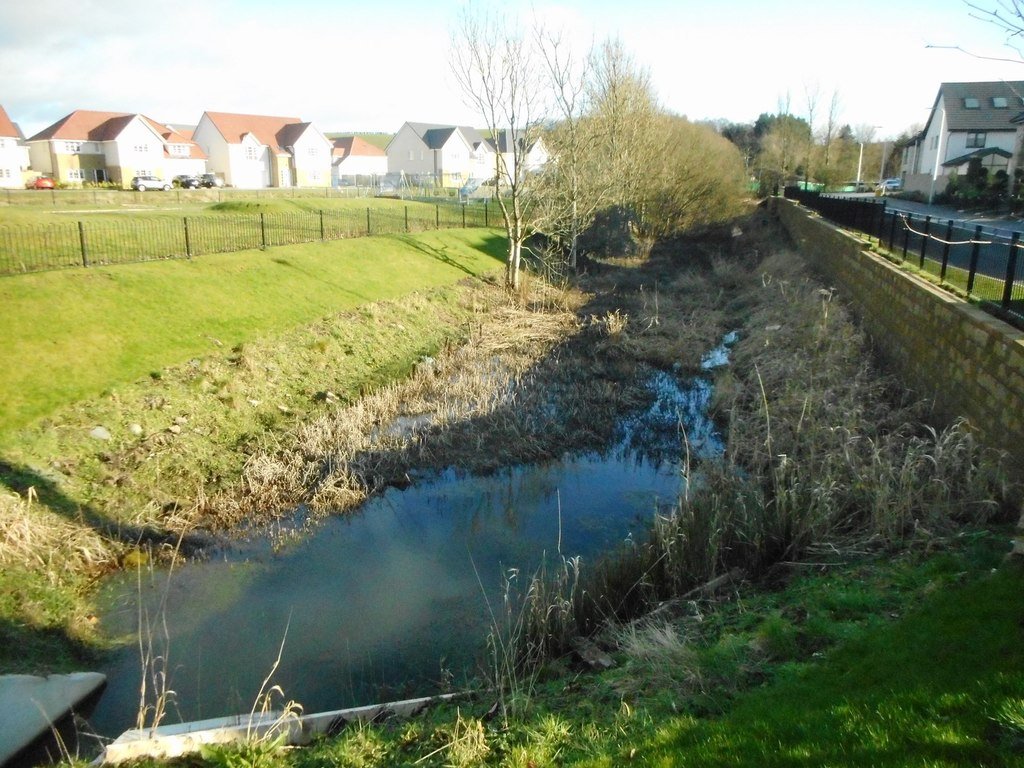
🌿 Sustainable urban drainage (SuDS)
Planters, swales, permeable paving, and tree pits slow surface water at source, cutting flood risk and improving water quality. Relevant to any future FCC input on local drainage or development proposals.
🌊 Coastal and river restoration
The Lower Otter Restoration Project in Devon let a stretch of river and coastline return to a natural floodplain, instead of defending it with failing hard engineering, providing a nature-based alternative to sea walls. Environment Agency coverage →
🌳 Tree planting
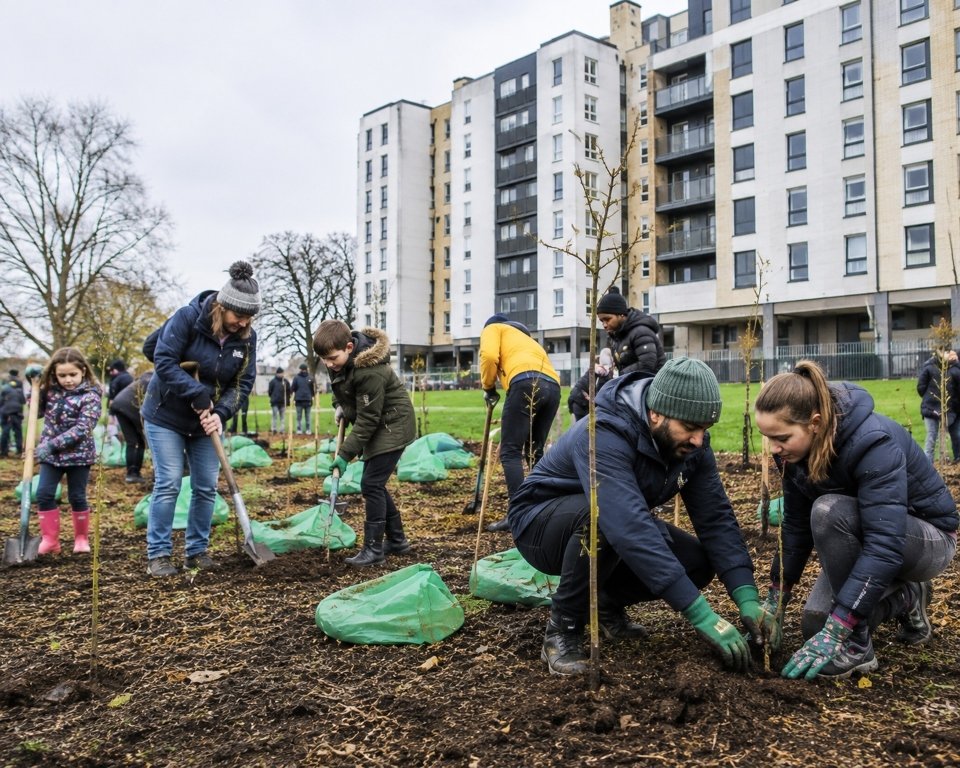
Beyond carbon storage, community tree planting helps with flood protection because roots hold soil and help water soak away. It also supports mental health and local wildlife.
🏠 Household-level flood protection
Flood gates, air brick covers, and non-return valves. FCC's Severe Weather page already covers this in detail for Findochty. This resource just names the category.
🏛️ What this might mean for FCC specifically
A few starting points, not commitments:
- 📊 The Met Office's Local Authority Climate Explorer can generate a climate report specific to Moray, providing useful background for future flood risk, coastal management or infrastructure discussions.
- 🌿 SuDS-style thinking is relevant to any FCC comments on local drainage or development proposals.
- 🛡️ Immediate preparedness is already covered by FCC's Severe Weather page. This resource adds the longer-term trend: why events like wave overtopping at Sterlochy Pier are expected to become more frequent, not just what to do when one happens.
💡 Closing thought
None of this guarantees the risks set out elsewhere in this resource won't happen. The evidence wasn't softened, and that stands. But the scale of future change still depends on choices being made now, and practical adaptation measures already work elsewhere in the UK. The problem isn't solved, but there's real, evidence-based scope to do something about it.
See Further reading for every source cited on this resource, gathered in one list.